

Engineering online from conception to production
Prototyping & Manufacturing


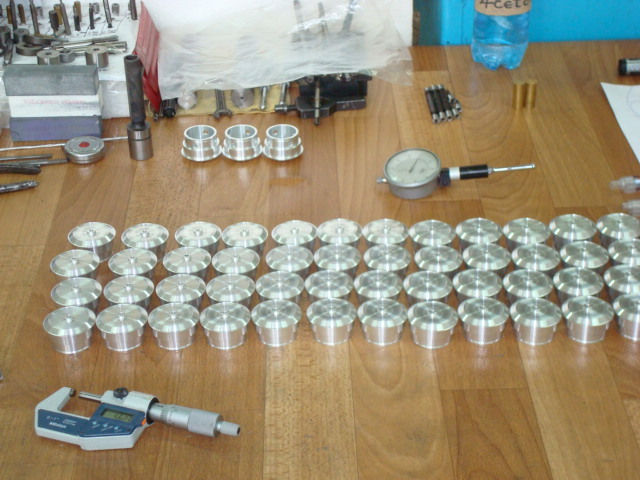


We are, prototyping and manufacturing are integral processes that contribute significantly to the development and production of aircraft and related systems. These two phases involve distinct but interconnected activities, each playing a crucial role in ensuring the safety, efficiency, and reliability of aviation technologies. Here's an overview of prototyping and manufacturing in aviation:
Prototyping in Aviation:
-
Conceptualization and Design: The prototyping process in aviation begins with the conceptualization and design of a new aircraft or system. Engineers and designers create preliminary models and specifications based on identified requirements, mission objectives, and technological advancements.
-
Proof of Concept: Prototyping serves as a means to test the feasibility and viability of a design. Small-scale prototypes or mock-ups are often created to validate key concepts, assess aerodynamics, and identify potential design flaws. This phase allows for adjustments before committing to full-scale production.
-
Functional Testing: Prototypes undergo rigorous functional testing to evaluate individual components and systems. This includes testing the performance of engines, avionics, flight control systems, and other critical elements. Data collected during this phase informs refinements to enhance overall functionality and efficiency.
-
Simulation and Modeling: Advanced computer-aided design (CAD) tools and simulation technologies are employed to create virtual prototypes. These simulations help predict the aircraft's behavior under different conditions, optimizing designs before physical prototypes are built.
-
Iterative Process: The prototyping phase often involves an iterative process of refinement. Engineers use feedback from testing to make adjustments and improvements to the design. This iterative approach is crucial for addressing issues early in the development cycle, reducing the risk of costly modifications later on.
Manufacturing in Aviation:
-
Material Selection: Once a prototype has been validated, the manufacturing phase commences with material selection. Aircraft components are typically constructed using materials such as lightweight alloys, composites, and advanced metals to ensure strength, durability, and fuel efficiency.
-
Precision Manufacturing: The aviation industry demands precision manufacturing to meet stringent safety and performance standards. Computer Numerical Control (CNC) machining and other advanced manufacturing techniques are employed to produce components with high accuracy and consistency.
-
Assembly and Integration: Aircraft manufacturing involves the assembly and integration of various components, including wings, fuselage, avionics, and propulsion systems. This phase requires meticulous attention to detail to ensure that every part is correctly aligned and integrated into the overall structure.
-
Quality Control: Quality control is paramount in aviation manufacturing. Rigorous inspections and testing protocols are implemented to verify that each component meets the specified standards. This includes non-destructive testing, stress testing, and other methods to identify any potential weaknesses.
-
Certification: Before an aircraft is cleared for commercial or military use, it must undergo certification by aviation authorities. This process involves comprehensive assessments of the design, manufacturing processes, and safety features to ensure compliance with regulatory standards.
-
Lifecycle Support: Manufacturing in aviation extends beyond the initial production phase. Ongoing support for spare parts, repairs, and upgrades is essential to ensure the longevity and adaptability of aircraft throughout their operational lifecycle.
In summary, prototyping and manufacturing are critical stages in the development of aviation technologies. Prototyping allows for the validation of design concepts and the identification of potential issues, while manufacturing ensures the precise and quality construction of aircraft components. Together, these processes contribute to the creation of safe, efficient, and innovative aircraft that meet the demands of modern aviation.